When Should You Replace Instead of Repair Your Garage Door?
Your garage door is one of the most important parts of your home. It protects your vehicles, improves security, adds curb appeal, and provides daily convenience. Like any mechanical system, however, garage doors wear out over time. Homeowners often face a common question: should you repair your garage door or replace it entirely?
While minor issues can usually be fixed with professional repairs, there comes a point where replacement becomes the smarter and more cost-effective option. Understanding the warning signs can help you avoid repeated repair expenses, safety risks, and unexpected breakdowns.
Understanding the Difference Between Repair and Replacement
Garage door repairs are ideal for smaller issues such as:
- Broken springs
- Damaged rollers
- Misaligned tracks
- Faulty sensors
- Remote or opener problems
- Minor dents or panel damage
These problems can often be resolved quickly by a professional technician. However, when your garage door starts experiencing frequent failures or structural damage, replacing the entire system may provide better long-term value.
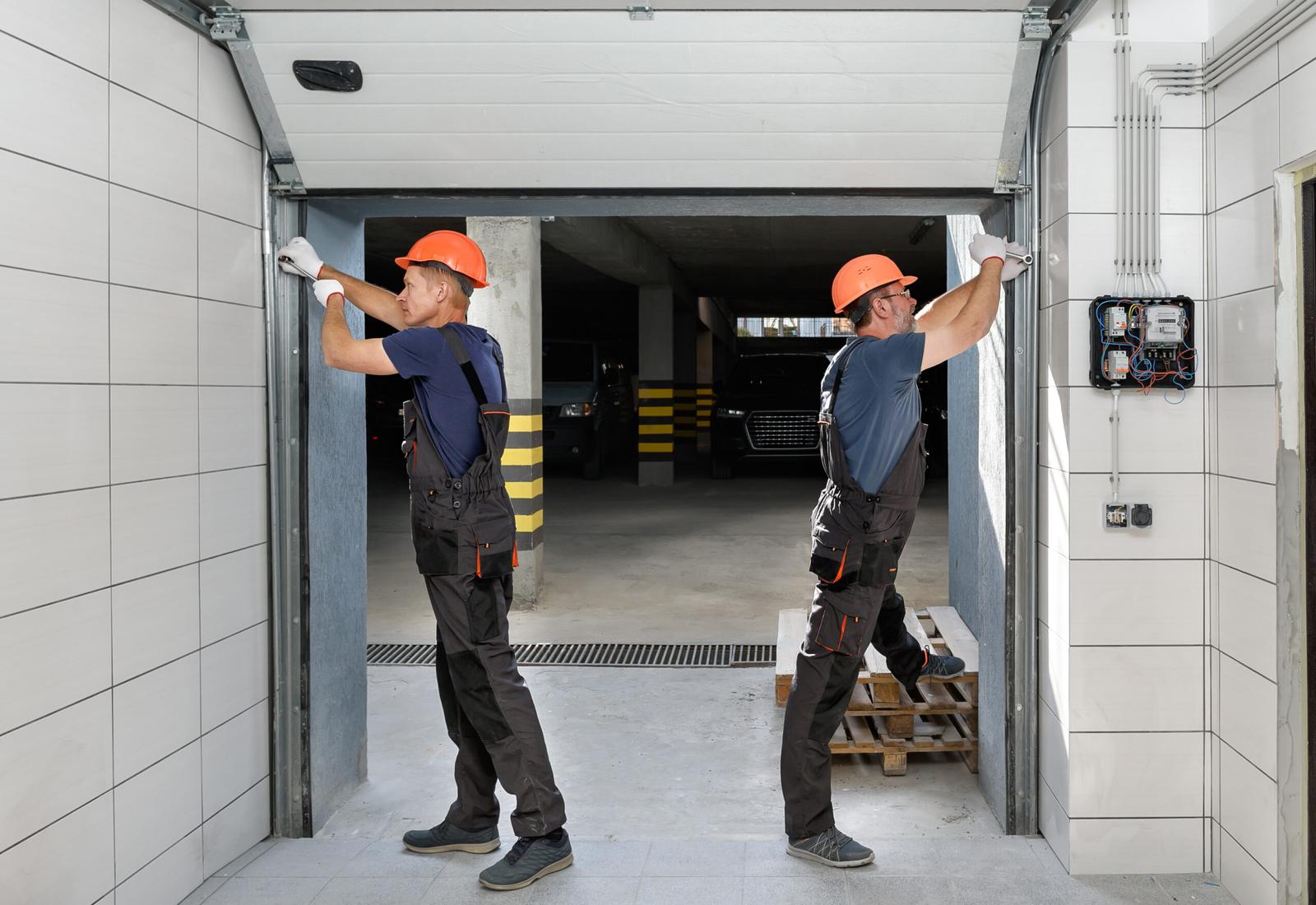
If your garage door only has isolated mechanical issues, scheduling a professional garage door repair service can restore proper functionality without the need for a complete replacement.
Signs It May Be Time to Replace Your Garage Door
1. Your Garage Door Is More Than 15–20 Years Old
Most garage doors are designed to last between 15 and 20 years with proper maintenance. Older systems naturally experience wear on springs, cables, tracks, and openers. Even if repairs are still possible, outdated doors may no longer operate safely or efficiently.
Older garage doors also tend to lack modern safety features and energy-efficient insulation. If your system is reaching the end of its lifespan, investing in a replacement may save money on ongoing repairs and improve overall home performance.
2. Frequent Repairs Are Becoming Expensive
Occasional repairs are normal, but repeated service calls can quickly become costly. If you find yourself constantly fixing springs, rollers, cables, or opener components, replacement may be more practical.
A good rule to follow is this: if repair costs are approaching half the cost of a new garage door, replacement is often the better financial decision.
Instead of repeatedly spending money on temporary fixes, homeowners can upgrade to a durable modern system with fewer maintenance concerns.
3. The Door Has Significant Structural Damage
Garage doors can suffer damage from accidents, severe weather, rust, or long-term wear. Structural problems often affect the door’s safety and operation.
Major signs of structural damage include:
- Bent or warped panels
- Severe rust or corrosion
- Cracks in the door sections
- Sagging or uneven movement
- Damaged tracks or frame components
In these situations, replacing the entire garage door is often safer than attempting extensive repairs.
4. Your Garage Door Is Extremely Noisy
While some garage door noise is normal, excessive grinding, squeaking, or banging may indicate serious internal wear. Older doors with aging hardware often become louder over time.
Although replacing rollers or lubricating components can help temporarily, persistent noise may suggest the entire system is deteriorating.
Upgrading to a modern garage door system with quieter rollers and smart opener technology can significantly improve daily comfort.
Homeowners experiencing loud operation may also benefit from professional garage door opener services to evaluate whether the opener or the full system requires replacement.
5. The Garage Door No Longer Operates Safely
Safety should always be a top priority. A malfunctioning garage door can become dangerous if components fail unexpectedly.
Common safety concerns include:
- The door reverses unexpectedly
- Slow or jerky movement
- Broken safety sensors
- Unstable spring systems
- The door falls too quickly when closing
Older doors may not meet current safety standards, especially if they lack modern auto-reverse features.
If your garage door presents ongoing safety risks, replacement is usually the safest solution for your family and property.
6. Energy Efficiency Has Become a Problem
Many older garage doors have poor insulation, allowing heat and cold air to enter the garage. This becomes especially problematic during Alberta’s harsh winters.
An uninsulated or poorly sealed garage door can:
- Increase energy bills
- Make attached garages uncomfortable
- Affect indoor temperatures near the garage
- Allow moisture and drafts inside
Modern insulated garage doors help improve thermal efficiency and reduce energy loss throughout the year.
Adding new weather sealing and insulated panels can greatly improve comfort and lower utility costs.
7. Your Home’s Appearance Needs an Upgrade
Garage doors play a major role in curb appeal because they often occupy a large portion of the home’s exterior. An outdated or damaged garage door can negatively impact your property’s appearance and resale value.
Replacing an old garage door offers homeowners the chance to:
- Improve exterior aesthetics
- Increase property value
- Match modern architectural styles
- Add custom finishes and windows
- Enhance overall home design
According to many real estate experts, garage door replacement is one of the highest-return home improvement projects for resale value.
8. Replacement Parts Are Hard to Find
As garage door systems age, replacement parts may become discontinued or difficult to source. Older opener models, springs, and track systems sometimes require custom repairs that are expensive and time-consuming.
If technicians struggle to locate compatible components, replacing the entire system often becomes the more efficient solution.
Benefits of Replacing Your Garage Door
Choosing a new garage door offers several long-term advantages:
Improved Safety
Modern systems include updated safety sensors, automatic reversing mechanisms, and stronger structural materials.
Better Energy Efficiency
Insulated doors help maintain indoor temperatures and reduce heating costs during cold Alberta winters.
Enhanced Security
New garage doors provide stronger locking systems and smart technology integration.
Quieter Operation
Modern rollers, tracks, and openers operate much more smoothly and quietly.
Increased Home Value
A new garage door improves curb appeal and can boost property resale potential.
Repair May Still Be the Right Choice If…
Replacement is not always necessary. Repairs remain a good option when:
- The garage door is relatively new
- Damage is limited to one component
- Repair costs are reasonable
- The structure remains solid
- Safety systems are functioning properly
For example, replacing springs, rollers, or sensors can often restore full performance without requiring a complete replacement.
Regular garage door maintenance services can also help extend the lifespan of your existing system and prevent major problems from developing.
How Professionals Help You Decide
A professional garage door technician can inspect your system and determine whether repair or replacement makes the most sense. They evaluate:
- Overall door condition
- Mechanical wear
- Structural integrity
- Safety performance
- Cost comparisons
- Long-term reliability
Getting expert advice ensures you make the most cost-effective and safest decision for your home.
Conclusion
Deciding whether to repair or replace your garage door depends on several factors, including age, safety, repair frequency, structural condition, and overall performance. While small issues can often be repaired affordably, older or heavily damaged systems may benefit more from complete replacement.
Investing in a new garage door can improve safety, energy efficiency, curb appeal, and long-term reliability while reducing ongoing repair costs.
If you are unsure whether your garage door should be repaired or replaced, the experienced team at Alberta Garage Door Services can inspect your system and recommend the best solution for your needs.
